Maryland Driver Education Requirements: Everything New Drivers Need to Know
Maryland Driver Education Requirements: Everything New Drivers Need to Know
Obtaining a driver’s license is an exciting milestone, but before getting behind the wheel independently, Maryland requires many new drivers to complete specific education and training requirements. Understanding these requirements is essential for avoiding delays, meeting state regulations, and building the skills needed to become a safe and confident driver.
Whether you are a teenager preparing for your first license or an adult seeking driving instruction for the first time, knowing what Maryland expects can help simplify the process. Driver education is not simply a legal requirement. It is designed to equip new drivers with the knowledge, awareness, and practical experience necessary to navigate today’s roads safely.
Understanding the complete process can help students prepare effectively and choose the right educational program to support their goals.
Why Maryland Requires Driver Education
The state of Maryland has established driver education requirements to improve roadway safety and reduce the risks associated with inexperienced drivers. New drivers face numerous challenges, including understanding traffic laws, recognizing hazards, managing distractions, and making quick decisions in complex traffic situations.
Driver education programs are designed to address these challenges before drivers begin operating vehicles independently. Through a combination of classroom learning and practical instruction, students develop the skills necessary to make responsible decisions behind the wheel.
The goal is not simply to pass a driving test but to create safer drivers who understand how their actions affect everyone on the road.
For prospective students researching driver education programs in Maryland, understanding these safety objectives provides valuable context for why the requirements exist.
Who Must Complete Driver Education in Maryland?
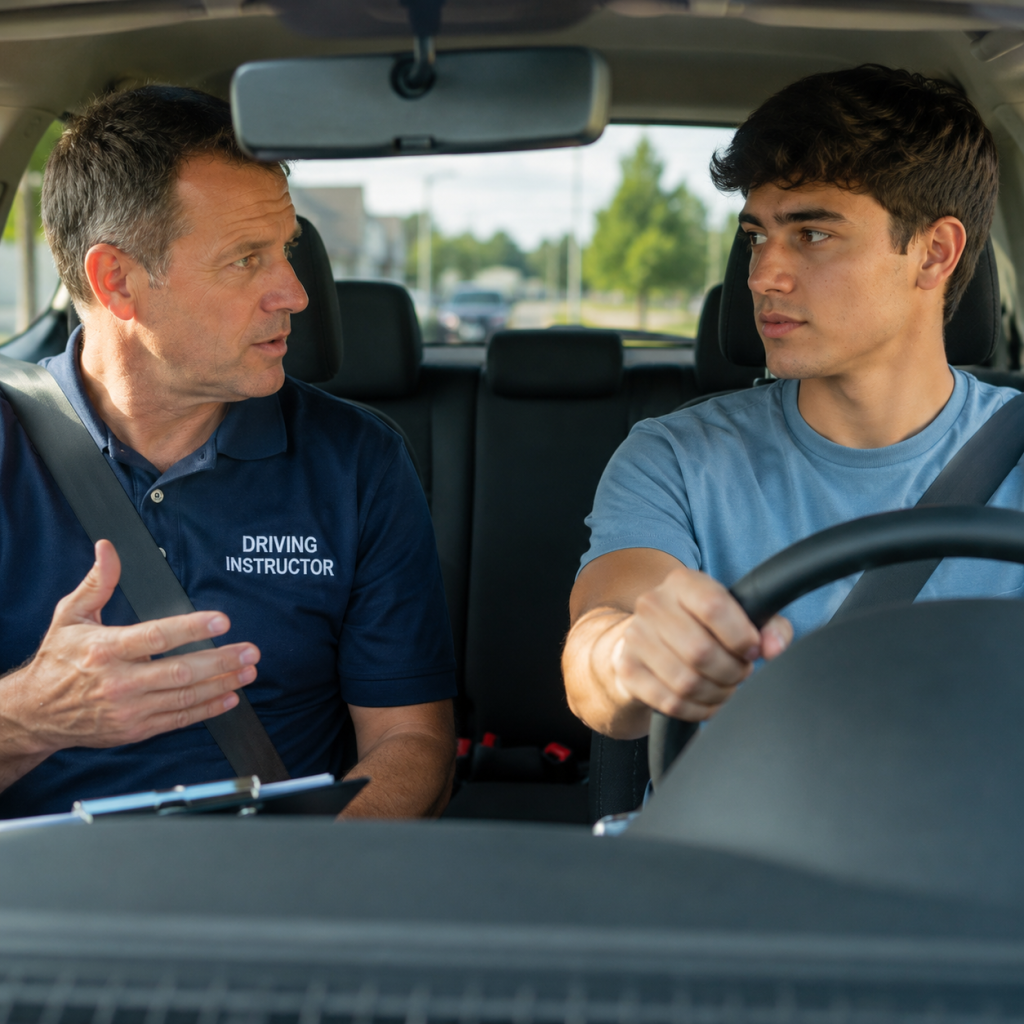
Maryland requires driver education for many first-time drivers seeking a driver’s license.
Individuals who have never held a driver’s license before are generally required to complete an approved driver education program before obtaining a Maryland license. This requirement applies regardless of whether the applicant is a teenager or an adult.
Because licensing regulations can evolve over time, prospective drivers should always verify current requirements through official state resources and approved educational providers.
Completing a state-approved course ensures that students satisfy educational requirements while receiving instruction that aligns with Maryland’s standards.
Required Classroom Instruction
A major component of Maryland driver education involves classroom training.
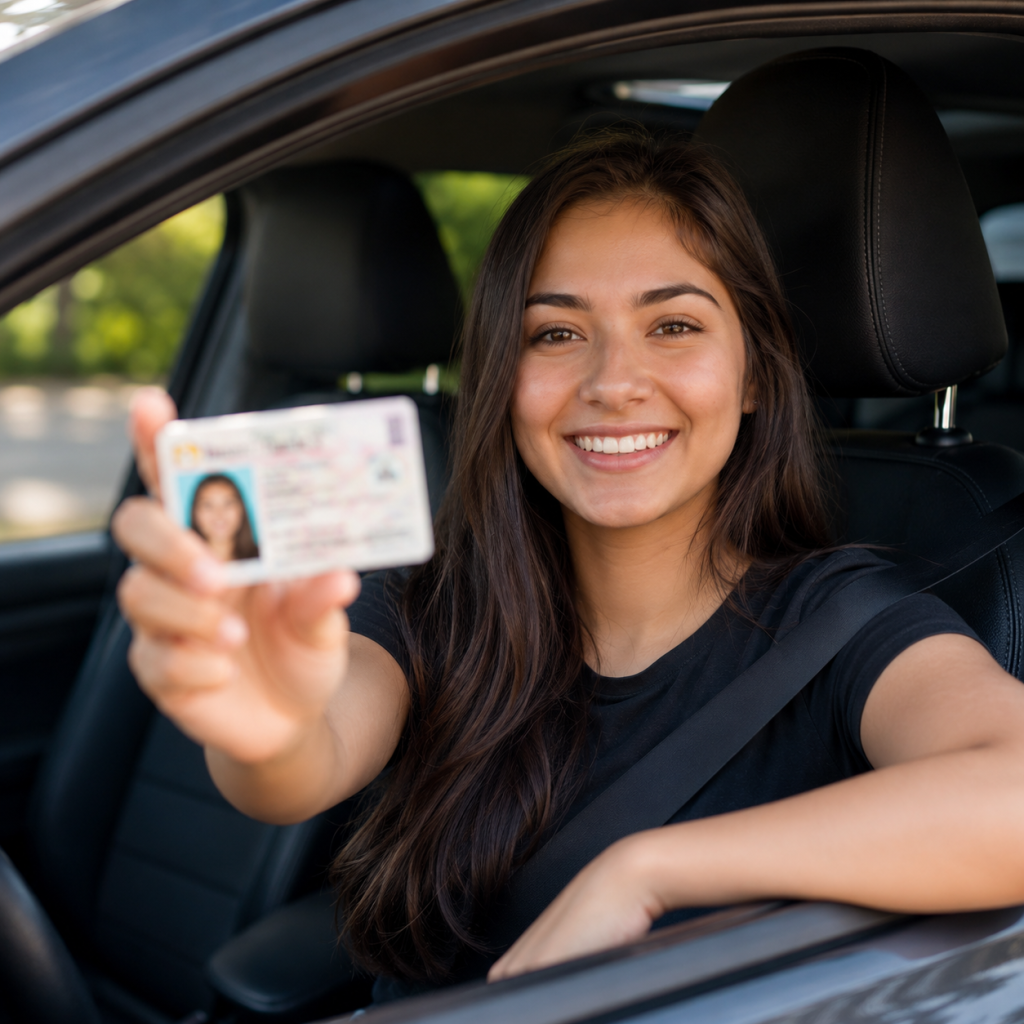
Students are required to complete 30 hours of classroom instruction covering a variety of topics related to safe driving. These lessons provide foundational knowledge that every driver must understand before operating a vehicle independently.
Topics typically include traffic laws, road signs, right-of-way rules, defensive driving principles, alcohol and drug awareness, distracted driving prevention, and safe decision-making strategies.
The classroom portion helps students develop the knowledge needed not only to pass examinations but also to make informed choices while driving.
Anyone interested in learning more about Maryland traffic laws for new drivers should understand that classroom instruction forms the backbone of the state’s educational requirements.
Behind-the-Wheel Training Requirements
Classroom education alone is not sufficient preparation for real-world driving.
Maryland-approved driver education programs also include six hours of behind-the-wheel instruction conducted by certified instructors. During these sessions, students apply classroom concepts while receiving personalized guidance in actual driving situations.
Students learn vehicle control, lane positioning, parking techniques, intersection navigation, hazard recognition, and defensive driving skills.
Professional instructors evaluate performance, provide feedback, and help students develop confidence in a controlled learning environment.
Many students find that practical instruction significantly reduces anxiety and improves overall readiness for independent driving.
For individuals seeking behind-the-wheel training in Maryland, these supervised driving hours represent a critical part of the learning process.
What Happens After Driver Education?
Completing driver education is an important milestone, but it is not necessarily the final step toward obtaining a Maryland driver’s license.
Depending on the driver’s age and licensing status, additional requirements may apply. Students often continue practicing with qualified supervising drivers to gain experience before taking their road test.
Additional practice allows new drivers to encounter a wider range of driving conditions while reinforcing the skills learned during formal instruction.
Successful completion of driver education provides the foundation upon which students build the experience needed to become safe and competent drivers.
Understanding the complete Maryland licensing process helps students prepare for each stage and avoid unnecessary delays.
Driver Education Requirements for Teen Drivers
Teen drivers often face additional requirements beyond classroom and behind-the-wheel training.
Because young drivers are statistically more likely to be involved in accidents, Maryland’s graduated licensing system is designed to help them gain experience progressively.
The process typically includes obtaining a learner’s permit, completing driver education, practicing under supervision, and meeting additional state requirements before qualifying for a provisional license.
These measures are intended to provide young drivers with sufficient experience before granting full driving privileges.
Parents play an important role throughout this process by supporting supervised practice and reinforcing safe driving habits.


Driver Education Requirements for Adult Drivers
Many adults assume driver education only applies to teenagers, but Maryland requirements can also affect first-time adult drivers.
Adults who have never previously obtained a driver’s license may still be required to complete approved driver education training before receiving a Maryland license.
Adult learners often have different educational needs than teenage students. They may seek flexible schedules, personalized instruction, and additional practice sessions designed to build confidence.
Professional schools understand these differences and adapt instruction accordingly.
Students researching adult driving lessons in Maryland often benefit from programs specifically designed to address their unique circumstances and learning objectives.
Common Mistakes Applicants Make
One of the most common mistakes prospective drivers make is waiting until the last minute to learn about licensing requirements.
Many students discover missing documentation, incomplete training, or scheduling conflicts that delay their progress. Others underestimate the time needed to complete classroom instruction and practical training.
Another frequent issue involves insufficient supervised practice. While driver education provides a strong foundation, additional experience remains essential for developing confidence and competence.
Planning ahead and understanding Maryland’s requirements can help drivers move through the licensing process more efficiently.
Why Professional Driver Education Matters
Meeting state requirements is important, but the true value of driver education extends far beyond compliance.
Quality instruction helps students develop defensive driving habits, improve hazard awareness, and gain confidence in real-world situations. These skills can significantly reduce accident risk and support safer driving throughout life.
A professional driving school provides structured guidance, experienced instructors, and a learning environment designed to help students succeed.
For individuals seeking reliable driving lessons in Maryland, choosing a trusted provider can make the licensing process smoother while improving long-term driving performance.
Students who invest in quality training often feel more prepared during road tests and more comfortable when driving independently.
FAQs
Is driver education mandatory in Maryland?
Many first-time drivers must complete a Maryland-approved driver education course before receiving a driver’s license.
How many hours of driver education are required in Maryland?
Maryland-approved programs generally require 30 hours of classroom instruction and 6 hours of behind-the-wheel training.
Do adults need driver education in Maryland?
Adults applying for their first driver’s license may also be required to complete approved driver education training.
What topics are covered during driver education?
Courses typically include traffic laws, road signs, defensive driving, hazard recognition, alcohol awareness, and safe driving practices.
What happens after completing driver education?
Students continue progressing through Maryland’s licensing process, which may include supervised practice and road testing requirements.